Riviera Maya Travel Guide 2025: Tulum, Playa del Carmen & the Best of Mexico's Caribbean Coast
Mexico's Caribbean Coast: Where Ancient Civilisation Meets Modern Paradise 🇲🇽
The Riviera Maya is one of those rare destinations that manages to be simultaneously world-famous and still capable of surprising you. Yes, there are enormous resort hotels and Cancún's relentless hotel zone. But drive 45 minutes south, and you're in a completely different Mexico — boutique eco-hotels built into the jungle, clifftop Mayan ruins overlooking turquoise water, underground rivers flowing through caverns of impossible beauty, and a wellness culture that feels genuinely authentic.
Here's your guide to the highlights.
Cancún Hotel Zone (Zona Hotelera)
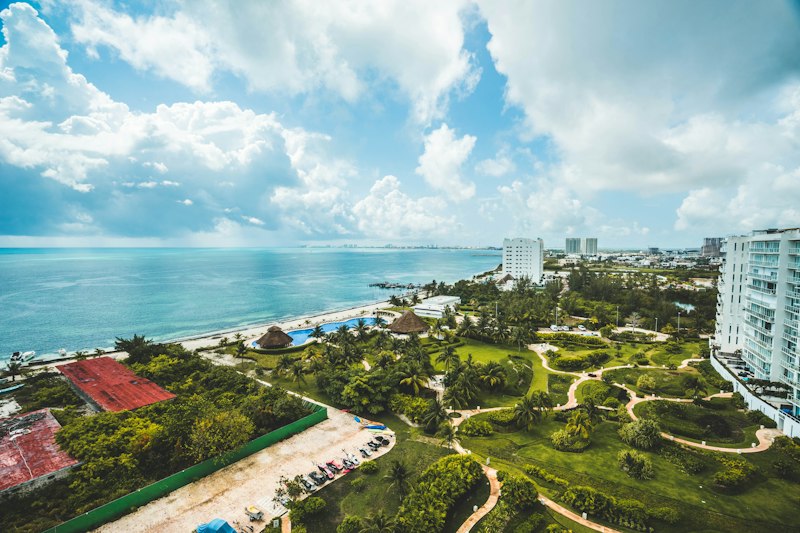
The Hotel Zone is what most people imagine when they think of Cancún — a narrow strip of land between the Caribbean Sea and Nichupté Lagoon, packed with mega-resorts, shopping malls, beach clubs, and restaurants. It's big, brash, relentlessly entertaining, and perfect if you want everything within walking distance and a guaranteed good time.
The beaches here are beautiful — fine white sand, calm turquoise water — and the range of hotels is extraordinary, from budget-friendly chains to genuinely luxurious five-star properties.
Best for: First-time Riviera Maya visitors, party travellers, families who want maximum resort amenities, anyone who wants everything immediately accessible.
Playa del Carmen
Forty-five minutes south of the airport, Playa del Carmen is an entirely different Mexico. A charming, relatively walkable town centred on La Quinta Avenida — Fifth Avenue — a pedestrianised street of restaurants, boutiques, bars, and people-watching that runs parallel to the beach for several kilometres.
The beach itself (Playa Mamitas and its neighbours) is beautiful and far less crowded than Cancún's hotel zone. The town has a genuinely cosmopolitan atmosphere — it's where the creative crowd, digital nomads, and experienced Mexico travellers tend to congregate.
Best for: Couples, solo travellers, those wanting a more authentic and social atmosphere, anyone using the Riviera Maya as a base for day trips to Tulum, Akumal, and the cenotes.
Tulum
Tulum has exploded in popularity over the past decade, and the reason is immediately apparent: Mayan ruins perched dramatically on a cliff above turquoise sea, boutique eco-hotels built into the jungle, farm-to-table restaurants using local ingredients, a wellness culture (yoga, meditation, sound healing) that has attracted a global following, and beaches of extraordinary beauty.
There are two distinct Tulums: the Tulum Hotel Zone (Zona Hotelera), a jungle road lined with boutique properties, beach clubs, and restaurants; and Tulum town, a more functional, less glamorous place with more affordable food and accommodation.
Best for: Couples, wellness travellers, those who've already done Cancún and want something more experiential, Instagram photographers (it's genuinely one of the most photogenic places in the world).
The Mayan Ruins
The Yucatán Peninsula contains some of the most extraordinary archaeological sites in the world.
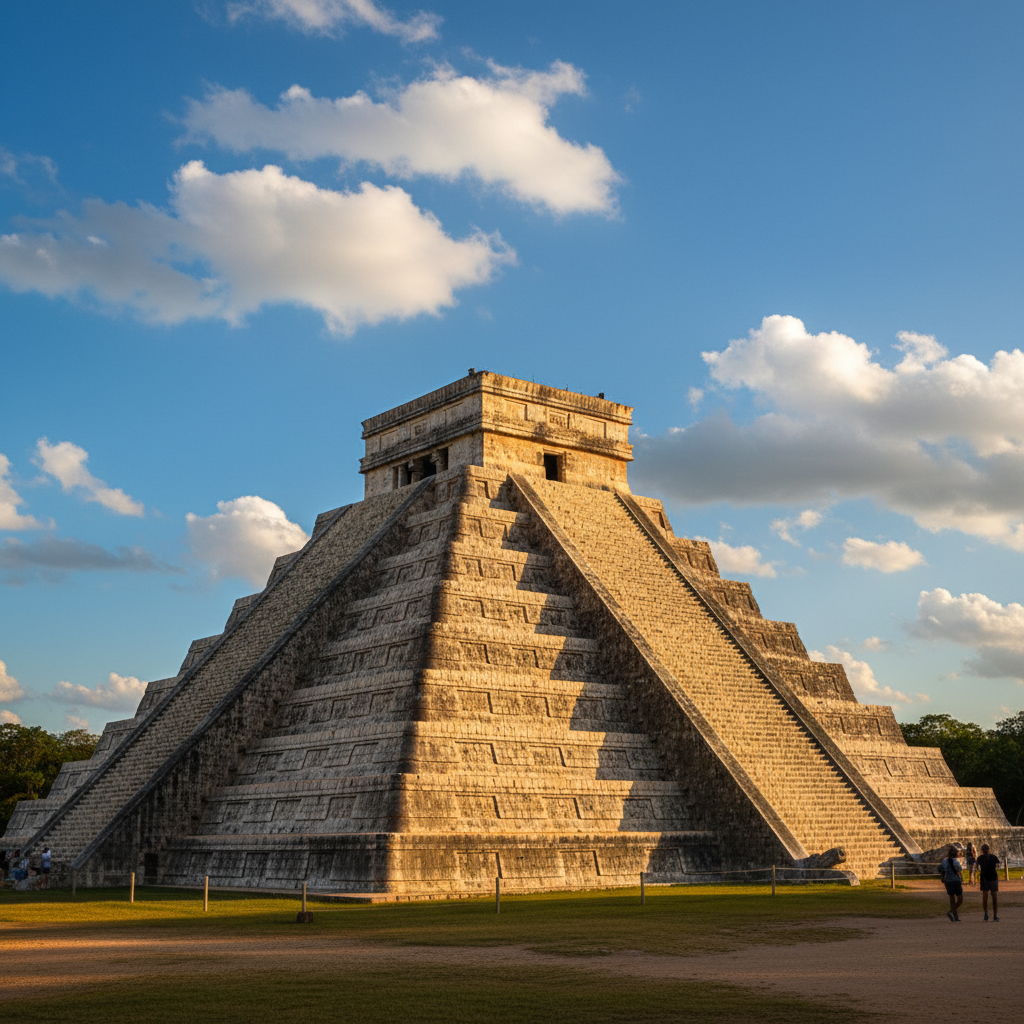
Chichén Itzá — one of the Seven Wonders of the Modern World. The pyramid of El Castillo is awe-inspiring in person — scale alone doesn't prepare you for the experience of standing in front of something built in 800 CE that has outlasted every civilisation that came after it. Go early (the site opens at 8am), arrive before the tour buses, and hire a local guide. The heat and crowds by midday are intense.
Tulum Ruins — a small but dramatically situated Mayan site on the cliffs directly above the Caribbean. Far less impressive archaeologically than Chichén Itzá, but the setting — turquoise water below, jungle behind — is extraordinary. Can be visited as part of a morning from the Hotel Zone.
Cobá — a less visited but arguably more rewarding site deep in the jungle. Unlike Chichén Itzá, Cobá's main pyramid (Nohoch Mul) can still be climbed (at the time of writing — check current policy), and the views from the top are spectacular. The surrounding jungle is full of wildlife.
The Cenotes
Cenotes — natural freshwater sinkholes formed when the limestone ceiling above underground rivers collapses — are unique to the Yucatán Peninsula, and swimming in one is one of the world's great experiences.
Cenote Ik Kil — the most famous, and consequently the most visited. Open, circular, and stunning — a natural swimming hole surrounded by hanging vines and limestone walls. It's a tour bus destination, which means it gets crowded, but the beauty is undeniable.
Dos Ojos — a cave cenote (partially underground) with extraordinary crystal-clear water and incredible stalactite formations. Snorkelling here feels like floating through a cathedral.
Gran Cenote — one of the finest near Tulum. A mix of open and cave sections with incredibly clear water, turtles visible on the bottom, and a beautiful natural setting.
Practical Riviera Maya Tips for 2025
Book cenotes in advance — the most popular ones now require pre-booked time slots, particularly Cenote Ik Kil.
Avoid timeshare desks at the airport — the moment you exit Cancún airport, you'll be approached. Pre-booking your transfer means you can walk past all of it with complete confidence.
Hire a private driver for day trips — for Chichén Itzá, Cobá, or a cenote-hopping day, hiring a private car and driver is far more comfortable and efficient than organised tours. Ask your hotel to recommend a reliable local driver.
Book Your Cancún Airport Transfer with My Holiday Taxi
Arrive at CUN with your transfer already arranged, walk past the chaos, and be at your hotel in 20–75 minutes depending on your destination. Fixed price, private vehicle, direct service. Book today. ¡Hasta pronto!
Ready to Book Your Transfer?
Fixed prices, licensed drivers, meet & greet service at every airport.
Book A Taxi Now